Buy inspiracija.eu ?
We are moving the project
inspiracija.eu .
Are you interested in purchasing the domain
inspiracija.eu ?
domain@kv-gmbh.de · 0541-91531010
Buy inspiracija.eu ?
What is carboxylic acid?
Carboxylic acid is a type of organic compound that contains a carboxyl group, which is a combination of a carbonyl group and a hydroxyl group. This functional group is represented by the formula -COOH. Carboxylic acids are commonly found in nature and are important for various biological processes. They are also used in the production of many different types of products, including pharmaceuticals, food additives, and polymers. **
How are carboxylic acids released?
Carboxylic acids are released through the oxidation of primary alcohols or aldehydes. This oxidation reaction can be carried out using oxidizing agents such as potassium permanganate or chromic acid. The carboxylic acid product is formed by the addition of an oxygen atom to the carbon atom adjacent to the carbonyl group. This process results in the formation of a carboxylic acid functional group. **


Similar search terms for Carboxylic
Top-Angebote
Products related to Carboxylic:
-
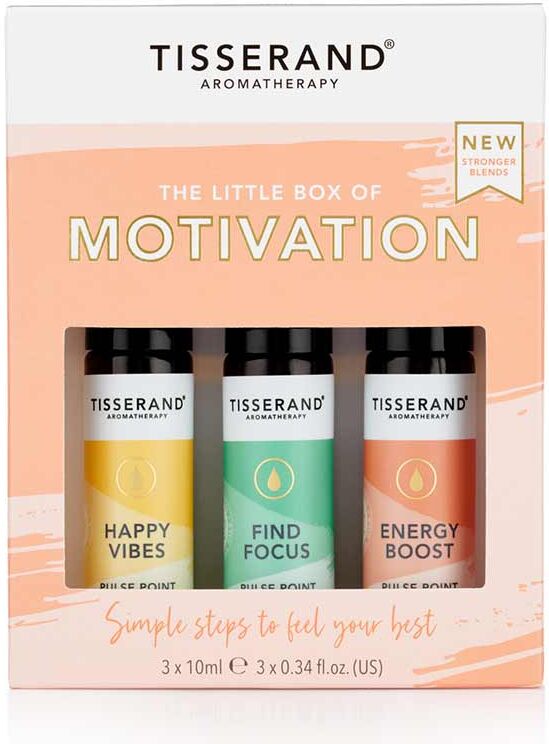
Tisserand The Little Box of Motivation 3x10mlRevitalise and revive your mind with Tisserand's Little Box of Motivation, including 3 pulse point roller balls. Contents • Happy Vibes Roller Ball 10ml • Find Focus Roller Ball 10ml • Energy Boost Roller Ball 10ml Formulated with 100% natural pure essential oils, these roller balls can be applied at the temples, neck and wrists or apply behind the ears. Wake up and be ready for the day ahead with these mood-enhancing roller balls. Tisserand Happy Vibes Pulse Point Roller Ball is designed to provide stamina during tiring moments. Formulated with euphoric bergamot oil, energising grapefruit oil and uplifting lime oil. Finding focus certainly isn't always easy. Provide your body and mind with an instant burst of focus with the Tisserand Find Focus Pulse Point Roller Ball. The perfect blend, enriched in Peppermint, soothing Lavender and uplifting Lemon, this is an aromatherapy roller ball with drive! Tisserand Energy High Pulse Point Roller Ball is designed to ease tension in the head, providing a cool release. Formulated with cooling white mint oil, restorative lavender oil and reviving lemon oil. Ingredients Happy Vibes Roller Ball: Caprylic/Capric Triglyceride, Amyris Balsamifera (Amyris) Bark Oil, Citrus Aurantium Bergamia (Bergamot) Peel Oil, Leptospermum Petersonii (Lemon Tea Tree) Oil, Citrus Aurantium Amara (Petitgrain) Leaf/Twig Oil, Mentha Citrata Herb Oil, Myristica Fragrans (Nutmeg) Kernel Oil, Linalool*, Limonene*, Geraniol*, Citral*, Farnesol*. Find Focus Roller Ball: Caprylic/Capric Triglyceride, Rosmarinus Officinalis (Rosemary) Leaf Oil, Citrus Paradisi (Grapefruit) Peel Oil, Cedrus Deodara (Cedarwood) Wood Oil, Coriandrum Sativum (Coriander) Seed Oil, Citrus Aurantium Amara (Petitgrain) Leaf/Twig Oil, Pelargonium Graveolens (Geranium) Oil, Jasminum Officinale (Jasmine) Flower Oil, Lavandula Angustifolia (Lavender) Oil, Tocopherol, Limonene*, Linalool*, Geraniol*, Citronellol*, Citral*, Benzyl Benzoate*, Benzyl Alcohol*, Eugenol*, Benzyl Salicylate*. Energy Boost Roller Ball: Caprylic/Capric Triglyceride, Citrus Aurantium Dulcis (Orange) Peel Oil, Citrus Aurantifolia (Lime) Peel Oil, Citrus Aurantium Bergamia (Bergamot) Peel Oil, Citrus Paradisi (Grapefruit) Peel Oil, Citrus Aurantium Amara (Petitgrain) Leaf/Twig Oil, Coriandrum Sativum (Coriander) Seed Oil, Cupressus Sempervirens (Cypress) Leaf Oil, Juniperus Communis (Juniper Berry) Fruit Oil, Limonene*, Linalool*, Citral*, Geraniol*. *Naturally occurring within essential oils10,59 £*Shipping: 2,95 £Secure redirect to the provider
-
Nourison Imagination Indoor only Blue Ribbon Graphic Area RugStep into a world of wonder with the Imagination Collection of kids rugs. Each design is a delightful escape, perfect for sparking hours of play in a classroom or child's playroom.50,36 $*Shipping: 0,00 $Secure redirect to the provider


-
How do the boiling temperatures of carboxylic acid esters compare to alcohols and carboxylic acids?
The boiling temperatures of carboxylic acid esters are generally higher than those of alcohols and lower than those of carboxylic acids. This is because carboxylic acid esters have weaker intermolecular forces compared to carboxylic acids, but stronger intermolecular forces compared to alcohols. The weaker forces in esters result in lower boiling temperatures compared to carboxylic acids, but the stronger forces result in higher boiling temperatures compared to alcohols. **
-
What are carboxylic acids in chemistry?
Carboxylic acids are a class of organic compounds that contain a carboxyl group (COOH) attached to a carbon atom. They are characterized by their acidic properties due to the presence of the carboxyl group, which can release a hydrogen ion (H+) in solution. Carboxylic acids are commonly found in nature and play important roles in biological processes, such as in the citric acid cycle and fatty acid metabolism. They are also used in various industrial applications, including as preservatives, flavoring agents, and in the production of polymers. **
-
What is an ester carboxylic acid?
An ester carboxylic acid is a type of organic compound that contains both an ester functional group and a carboxylic acid functional group. The ester functional group consists of a carbon atom double-bonded to an oxygen atom, which is also bonded to another oxygen atom and an alkyl group. The carboxylic acid functional group consists of a carbon atom double-bonded to an oxygen atom, which is also bonded to a hydroxyl group. Ester carboxylic acids are commonly found in natural fats and oils, and they are important in the synthesis of various organic compounds. **
-
What are carboxylic acids as preservatives?
Carboxylic acids are organic compounds that contain a carboxyl group (COOH). They are commonly used as preservatives in food and cosmetic products due to their ability to inhibit the growth of bacteria, mold, and yeast. Carboxylic acids work by lowering the pH of the product, creating an environment that is unfavorable for microbial growth. Some common carboxylic acids used as preservatives include citric acid, sorbic acid, and benzoic acid. These compounds are considered safe for consumption and are widely used in the food and cosmetic industries. **


How do carboxylic acids react with water?
Carboxylic acids react with water to form carboxylate ions and hydronium ions. The carboxylic acid molecule donates a proton to a water molecule, resulting in the formation of a carboxylate ion and a hydronium ion. This reaction is an example of acid-base chemistry, where the carboxylic acid acts as an acid by donating a proton, and water acts as a base by accepting the proton. **
What are aldehyde ketones and carboxylic acids?
Aldehyde ketones and carboxylic acids are all types of organic compounds. Aldehydes are characterized by a carbonyl group (C=O) bonded to at least one hydrogen atom, while ketones have the carbonyl group bonded to two carbon atoms. Carboxylic acids have a carboxyl group (COOH), which consists of a carbonyl group bonded to a hydroxyl group. These compounds are important in organic chemistry and are found in various natural and synthetic substances, including many essential biological molecules. **
Top-Angebote
Products related to Carboxylic:
-
FOREO Imagination 100mlFOREO Imagination unique formula acts as the perfect base to your homemade face mask - so now you can make the most out of the fresh, natural ingredients from your kitchen. Formulated with Triple Infusion Complex, active nutrients are absorbed deep into the skin, feeding it from within. This antioxidant rich innovative product is enriched with Squalane and Vitamin E to help replenish fatty acids, and protect the skin from UV damage and damage caused by free radicals, leaving your skin looking and feeling healthier than ever before. Ingredients Aqua/Water/Eau, Glycerin, Cetearyl Alcohol, Caprylic/Capric Triglyceride, Cetyl Ethylhexanoate, Glyceryl Stearate, PEG-100 Stearate, Glycereth-26, Magnesium Aluminometasilicate, Dicaprylyl Carbonate, Hydroxyethyl Acrylate/Sodium Acryloyldimethyl Taurate Copolymer, Squalane, Potassium Cetyl Phosphate, Polysorbate 60, Trehalose, Hydroxyacetophenone, Pentaerythrityl Distearate, 1,2-Hexanediol, Xanthan Gum, Phospholipids, Allantoin, Panthenol, Bis-Ethoxydiglycol Cyclohexane 1,4-Dicarboxylate, Tocopheryl Acetate, Citrus Aurantium Dulcis Oil, Glycine Soja Oil, Sodium PCA, Disodium EDTA, Glycolipids, Dipotassium Glycyrrhizate, Glycine Soja Sterols, Propylene Glycol, Sodium Hyaluronate, Linoleic Acid, Glyceryl Linolenate41,99 £*Shipping: 0,00 £Secure redirect to the provider
-
bareMinerals Mineralist Gloss-Balm-ImaginationDrench lips with sheer colour and glossy shine. Enriched with sustainably sourced fruit oils, this vegan lip gloss-balm delivers instant nourishment in a cushiony, non-sticky formula. Lips feel softer, smoother and more hydrated over time - even after you take it off. The cap and vial are made with post-consumer recycled plastic. Get the best of gloss and balm in one: sheer colour, high-shine and irresistibly soft lips. 90% said their lips felt instantly hydrated* Delivers up to 50% smoother lips in just 1 week* Based on a 1-week clinical study with 30 people. Results may vary. Dermatologist-tested. Shades: • Ambition • Clarity • Enlightenment • Heart • Imagination • Ingenuity • Love • Peace • Serenity • Sincerity • Trust • Vision • Wonder • Zen Ingredients Ambition, Clarity, Enlightenment, Heart, Imagination, Ingenuity, Love, Peace, Serenity, Sincerity, Trust, Vision, Wonder, Zen: Diisostearyl Malate, Phenyl Dimethicone, Triisostearyl Citrate, Glyceryl Behenate, Helianthus Annuus (Sunflower) Seed Wax, Simmondsia Chinensis (Jojoba) Seed Oil, Punica Granatum Flower Extract, Hippophae Rhamnoides Oil, Prunus Domestica Seed Oil, Ascorbyl Palmitate, Tocopherol, Silica Dimethyl Silylate, Calcium Stearate, Polyglyceryl-2 Triisostearate, Flavor (Aroma), Linalool. May Contain/Peut Contenir (+/-): Mica, Titanium Dioxide (Ci 77891), Iron Oxides (Ci 77491, Ci 77492, Ci 77499), Blue 1 Lake (Ci 42090), Red 7 Lake (Ci 15850), Red 28 Lake (Ci 45410), Yellow 5 Lake (Ci 19140).15,60 £*Shipping: 2,95 £Secure redirect to the provider
-
Tisserand The Little Box of Motivation 3x10mlRevitalise and revive your mind with Tisserand's Little Box of Motivation, including 3 pulse point roller balls. Contents • Happy Vibes Roller Ball 10ml • Find Focus Roller Ball 10ml • Energy Boost Roller Ball 10ml Formulated with 100% natural pure essential oils, these roller balls can be applied at the temples, neck and wrists or apply behind the ears. Wake up and be ready for the day ahead with these mood-enhancing roller balls. Tisserand Happy Vibes Pulse Point Roller Ball is designed to provide stamina during tiring moments. Formulated with euphoric bergamot oil, energising grapefruit oil and uplifting lime oil. Finding focus certainly isn't always easy. Provide your body and mind with an instant burst of focus with the Tisserand Find Focus Pulse Point Roller Ball. The perfect blend, enriched in Peppermint, soothing Lavender and uplifting Lemon, this is an aromatherapy roller ball with drive! Tisserand Energy High Pulse Point Roller Ball is designed to ease tension in the head, providing a cool release. Formulated with cooling white mint oil, restorative lavender oil and reviving lemon oil. Ingredients Happy Vibes Roller Ball: Caprylic/Capric Triglyceride, Amyris Balsamifera (Amyris) Bark Oil, Citrus Aurantium Bergamia (Bergamot) Peel Oil, Leptospermum Petersonii (Lemon Tea Tree) Oil, Citrus Aurantium Amara (Petitgrain) Leaf/Twig Oil, Mentha Citrata Herb Oil, Myristica Fragrans (Nutmeg) Kernel Oil, Linalool*, Limonene*, Geraniol*, Citral*, Farnesol*. Find Focus Roller Ball: Caprylic/Capric Triglyceride, Rosmarinus Officinalis (Rosemary) Leaf Oil, Citrus Paradisi (Grapefruit) Peel Oil, Cedrus Deodara (Cedarwood) Wood Oil, Coriandrum Sativum (Coriander) Seed Oil, Citrus Aurantium Amara (Petitgrain) Leaf/Twig Oil, Pelargonium Graveolens (Geranium) Oil, Jasminum Officinale (Jasmine) Flower Oil, Lavandula Angustifolia (Lavender) Oil, Tocopherol, Limonene*, Linalool*, Geraniol*, Citronellol*, Citral*, Benzyl Benzoate*, Benzyl Alcohol*, Eugenol*, Benzyl Salicylate*. Energy Boost Roller Ball: Caprylic/Capric Triglyceride, Citrus Aurantium Dulcis (Orange) Peel Oil, Citrus Aurantifolia (Lime) Peel Oil, Citrus Aurantium Bergamia (Bergamot) Peel Oil, Citrus Paradisi (Grapefruit) Peel Oil, Citrus Aurantium Amara (Petitgrain) Leaf/Twig Oil, Coriandrum Sativum (Coriander) Seed Oil, Cupressus Sempervirens (Cypress) Leaf Oil, Juniperus Communis (Juniper Berry) Fruit Oil, Limonene*, Linalool*, Citral*, Geraniol*. *Naturally occurring within essential oils10,59 £*Shipping: 2,95 £Secure redirect to the provider
-
What is carboxylic acid?
Carboxylic acid is a type of organic compound that contains a carboxyl group, which is a combination of a carbonyl group and a hydroxyl group. This functional group is represented by the formula -COOH. Carboxylic acids are commonly found in nature and are important for various biological processes. They are also used in the production of many different types of products, including pharmaceuticals, food additives, and polymers. **
-
How are carboxylic acids released?
Carboxylic acids are released through the oxidation of primary alcohols or aldehydes. This oxidation reaction can be carried out using oxidizing agents such as potassium permanganate or chromic acid. The carboxylic acid product is formed by the addition of an oxygen atom to the carbon atom adjacent to the carbonyl group. This process results in the formation of a carboxylic acid functional group. **
-
How do the boiling temperatures of carboxylic acid esters compare to alcohols and carboxylic acids?
The boiling temperatures of carboxylic acid esters are generally higher than those of alcohols and lower than those of carboxylic acids. This is because carboxylic acid esters have weaker intermolecular forces compared to carboxylic acids, but stronger intermolecular forces compared to alcohols. The weaker forces in esters result in lower boiling temperatures compared to carboxylic acids, but the stronger forces result in higher boiling temperatures compared to alcohols. **
-
What are carboxylic acids in chemistry?
Carboxylic acids are a class of organic compounds that contain a carboxyl group (COOH) attached to a carbon atom. They are characterized by their acidic properties due to the presence of the carboxyl group, which can release a hydrogen ion (H+) in solution. Carboxylic acids are commonly found in nature and play important roles in biological processes, such as in the citric acid cycle and fatty acid metabolism. They are also used in various industrial applications, including as preservatives, flavoring agents, and in the production of polymers. **
Similar search terms for Carboxylic
-
Nourison Imagination Indoor only Blue Ribbon Graphic Area RugStep into a world of wonder with the Imagination Collection of kids rugs. Each design is a delightful escape, perfect for sparking hours of play in a classroom or child's playroom.50,36 $*Shipping: 0,00 $Secure redirect to the provider
-
Nourison Imagination Indoor only Blue Camping Site Graphic Area RugStep into a world of wonder with the Imagination Collection of kids rugs. Each design is a delightful escape, perfect for sparking hours of play in a classroom or child's playroom.121,28 $*Shipping: 0,00 $Secure redirect to the provider
-
Nourison Imagination Indoor only Blue Camping Site Graphic Area RugStep into a world of wonder with the Imagination Collection of kids rugs. Each design is a delightful escape, perfect for sparking hours of play in a classroom or child's playroom.45,14 $*Shipping: 0,00 $Secure redirect to the provider
-
What is an ester carboxylic acid?
An ester carboxylic acid is a type of organic compound that contains both an ester functional group and a carboxylic acid functional group. The ester functional group consists of a carbon atom double-bonded to an oxygen atom, which is also bonded to another oxygen atom and an alkyl group. The carboxylic acid functional group consists of a carbon atom double-bonded to an oxygen atom, which is also bonded to a hydroxyl group. Ester carboxylic acids are commonly found in natural fats and oils, and they are important in the synthesis of various organic compounds. **
-
What are carboxylic acids as preservatives?
Carboxylic acids are organic compounds that contain a carboxyl group (COOH). They are commonly used as preservatives in food and cosmetic products due to their ability to inhibit the growth of bacteria, mold, and yeast. Carboxylic acids work by lowering the pH of the product, creating an environment that is unfavorable for microbial growth. Some common carboxylic acids used as preservatives include citric acid, sorbic acid, and benzoic acid. These compounds are considered safe for consumption and are widely used in the food and cosmetic industries. **
-
How do carboxylic acids react with water?
Carboxylic acids react with water to form carboxylate ions and hydronium ions. The carboxylic acid molecule donates a proton to a water molecule, resulting in the formation of a carboxylate ion and a hydronium ion. This reaction is an example of acid-base chemistry, where the carboxylic acid acts as an acid by donating a proton, and water acts as a base by accepting the proton. **
-
What are aldehyde ketones and carboxylic acids?
Aldehyde ketones and carboxylic acids are all types of organic compounds. Aldehydes are characterized by a carbonyl group (C=O) bonded to at least one hydrogen atom, while ketones have the carbonyl group bonded to two carbon atoms. Carboxylic acids have a carboxyl group (COOH), which consists of a carbonyl group bonded to a hydroxyl group. These compounds are important in organic chemistry and are found in various natural and synthetic substances, including many essential biological molecules. **
* All prices are inclusive of VAT and, if applicable, plus shipping costs. The offer information is based on the details provided by the respective shop and is updated through automated processes. Real-time updates do not occur, so deviations can occur in individual cases. ** Note: Parts of this content were created by AI.